
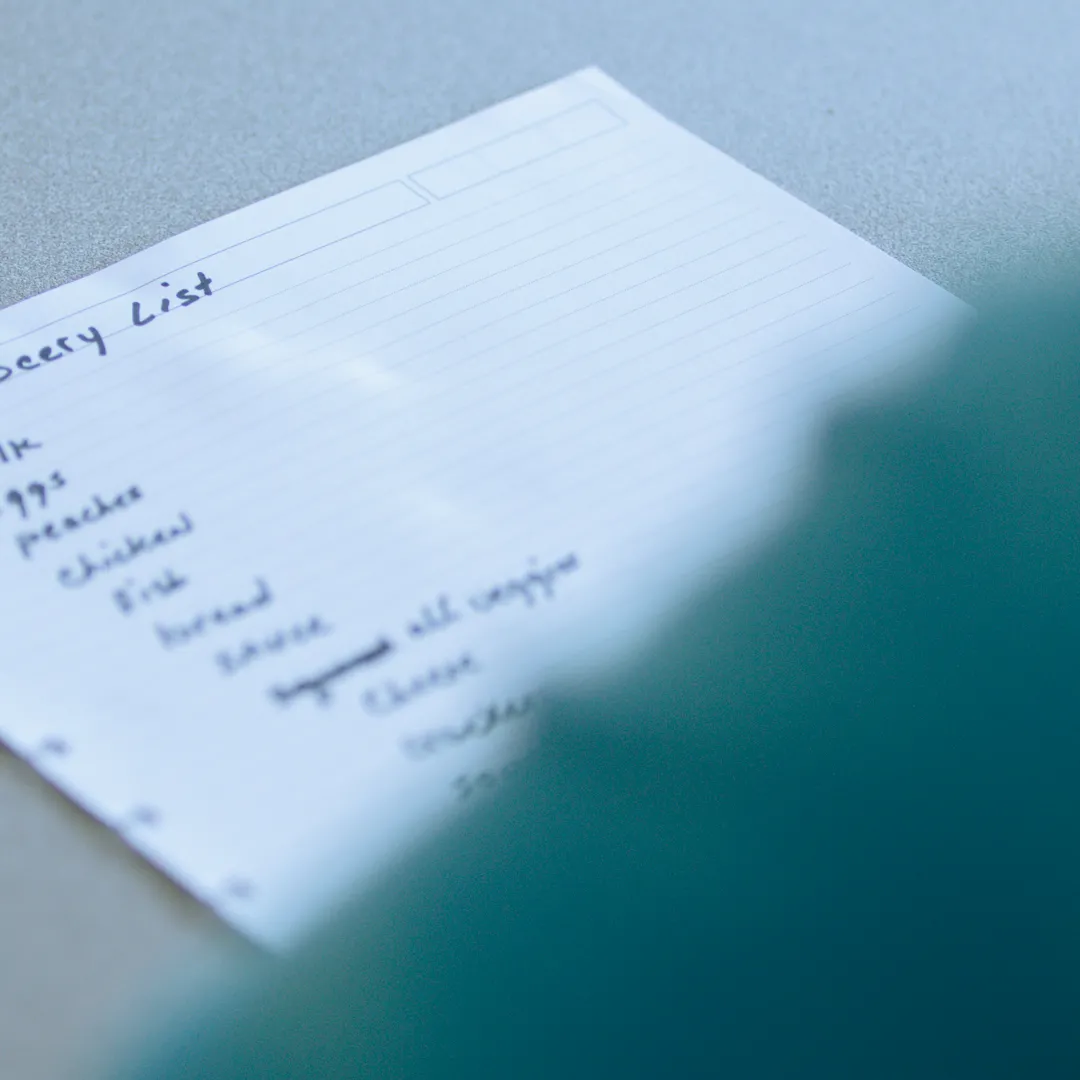
Stick to your list.
Plan your meals ahead of time and make a grocery list. You’ll save money by buying only what you need. Don’t shop when you’re hungry. Shopping after eating will make it easier to pass on tempting snack foods. You’ll have more of your food budget for vegetables and fruits.

Buy foods in their simplest form.
Buy vegetables and fruits in their simplest form. Pre-cut, pre-washed, ready-to-eat, and processed foods are convenient, but often cost much more than when purchased in their basic forms.

Try canned or frozen vegetables.
Compare the price and the number of servings from fresh, canned, and frozen forms of the same veggie or fruit. Canned and frozen items may be less expensive than fresh. For canned items, choose fruit canned in 100% fruit juice and vegetables with “low sodium” or “no salt added” on the label.
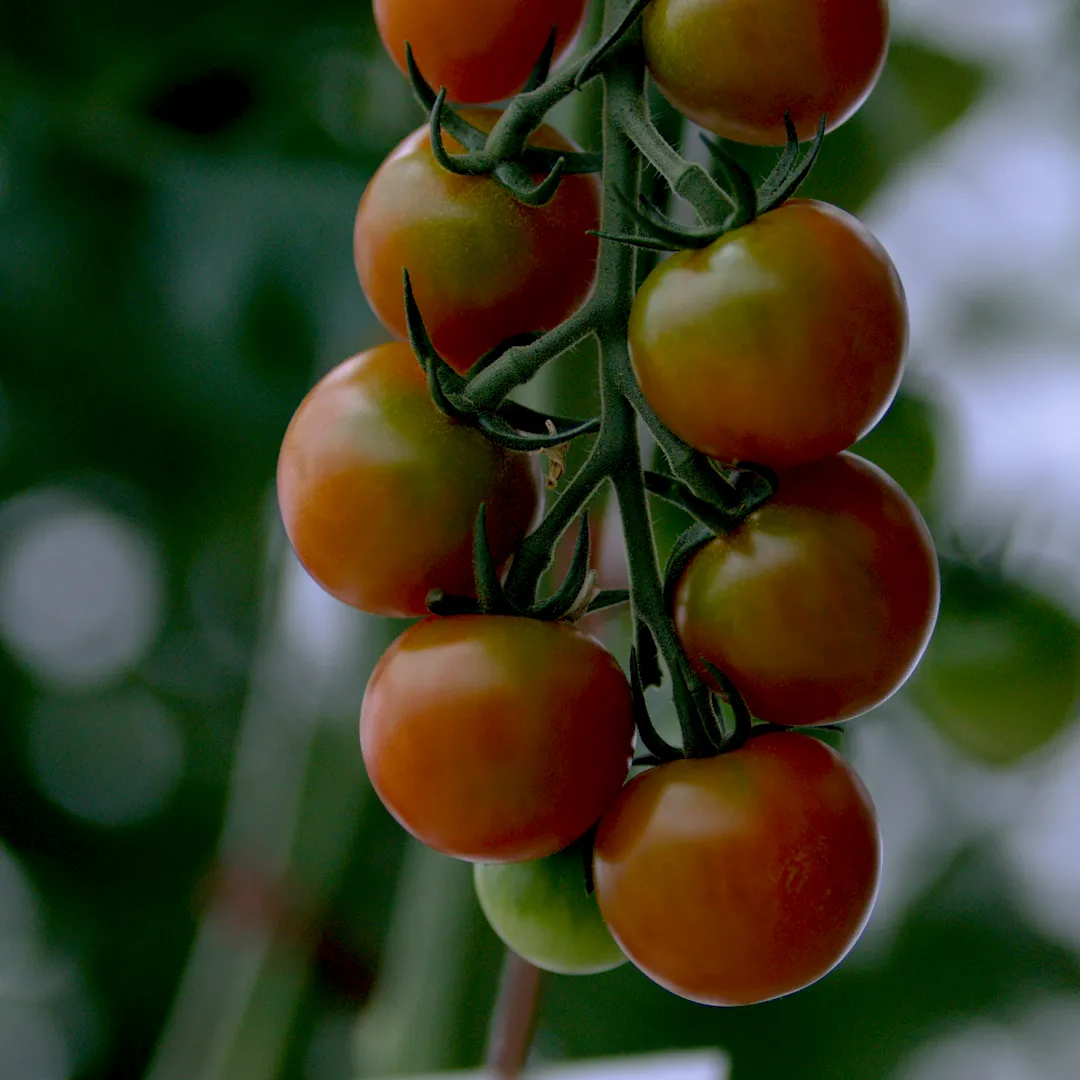
Buy fresh produce in season.
Use fresh vegetables and fruits that are in season. They’re easy to get, have more flavor, and usually cost less. Your local farmer’s market is a great source of seasonal produce.
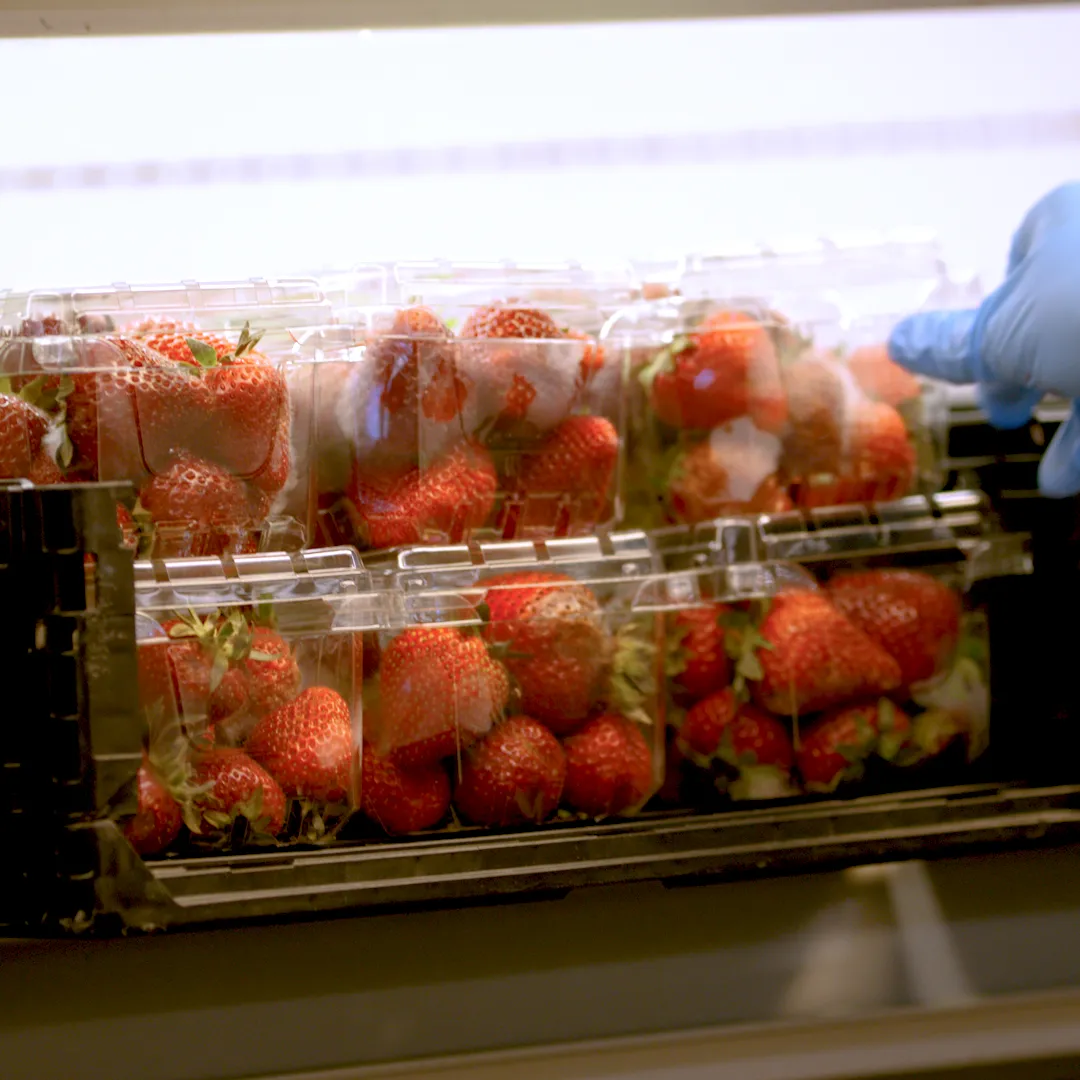
Buy small amounts more frequently.
Some fresh vegetables and fruits don’t last long. Buy small amounts more often to make sure you can eat the foods without throwing any away.
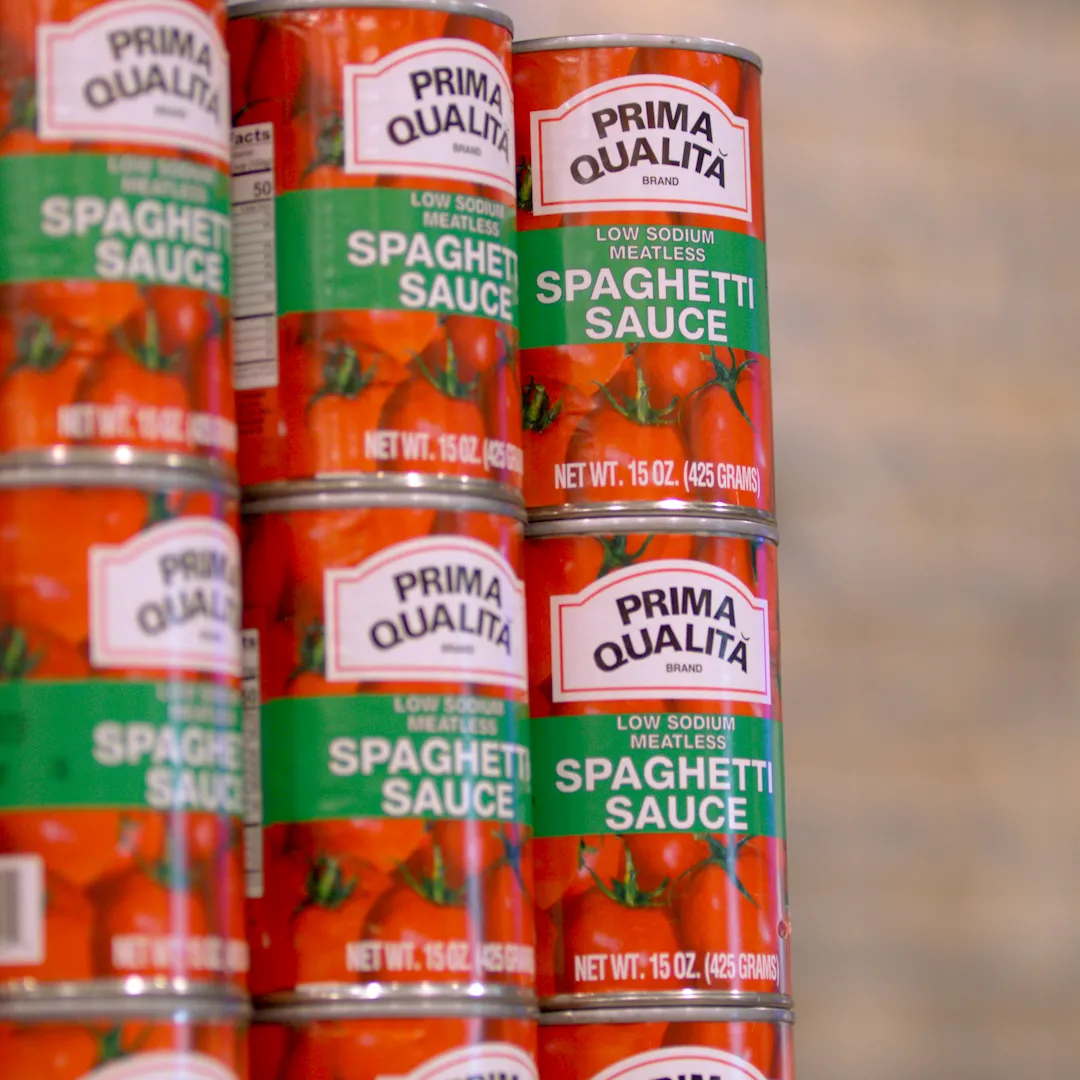
Stock up on shelf-stable sale items.
For fresh vegetables or fruits you use often, a large size bag is the better buy. Canned or frozen fruits or vegetables can be bought in large quantities when they are on sale, since they last much longer.
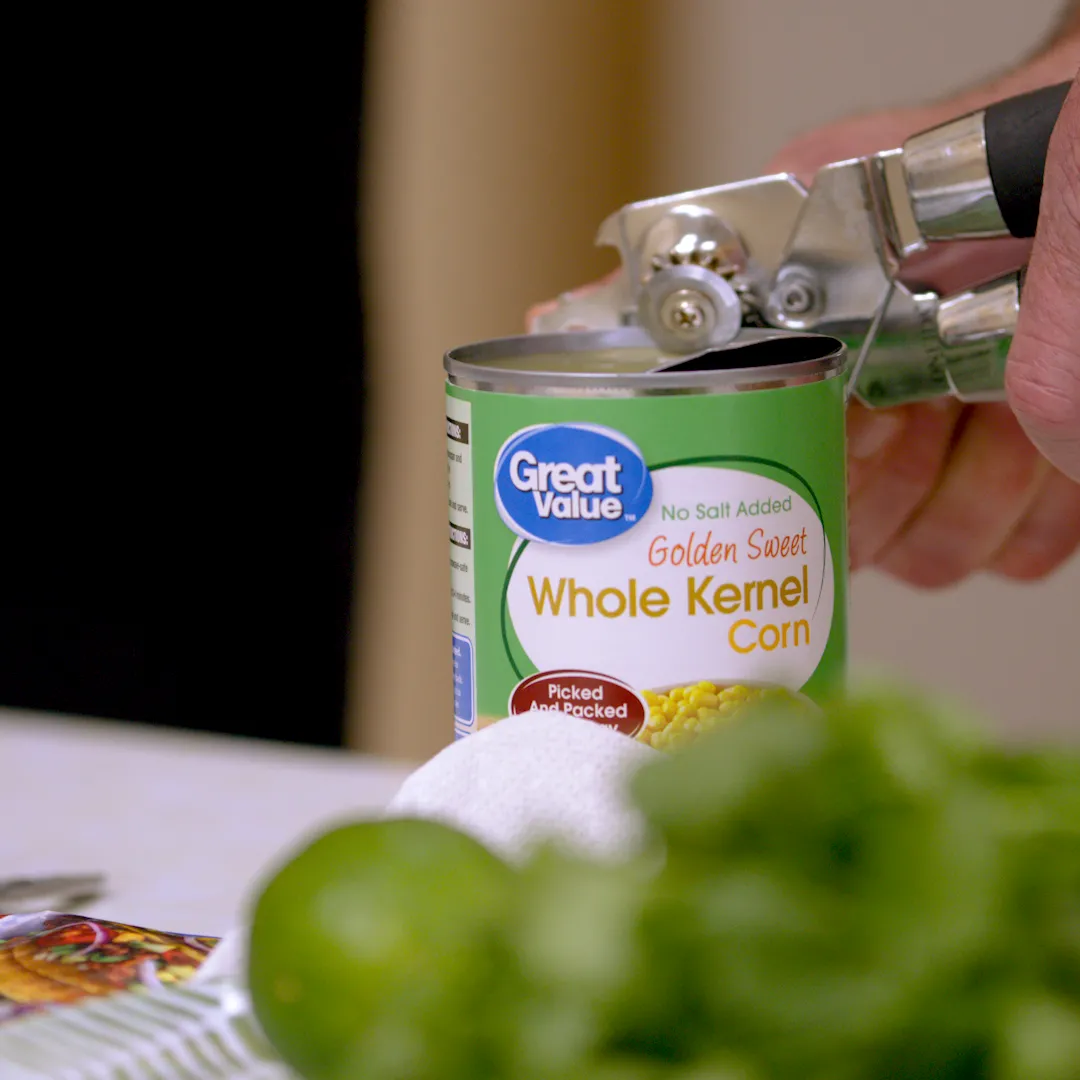
Choose store brands to save.
Choose store brands when possible. You’ll get the same or similar product for a cheaper price. If your grocery store has a membership card, sign up for even more savings.

Look for coupons and discount stores.
Check the local newspaper, online, and at the store for sales, coupons, and specials that will cut food costs. Often, you can get more for less by visiting larger grocery stores (discount grocers if available).
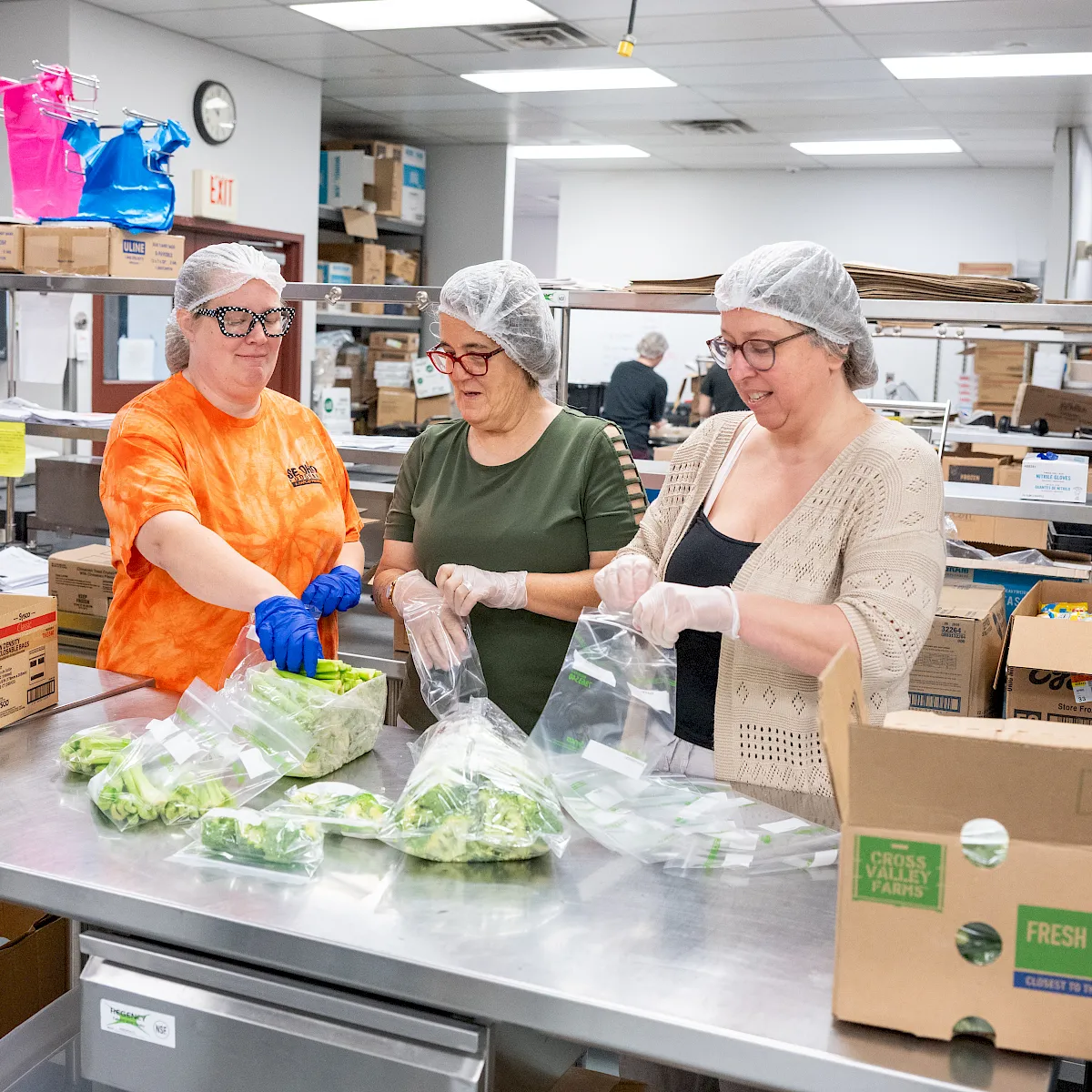
Plan and cook smart.
Prepare and freeze vegetable soups, stews, or other dishes in advance. This saves time and money. Add leftover vegetables to casseroles or blend them to make soup. Overripe fruit is great for smoothies or baking.

Stock Up at Your Local Farmers Market
Ronda recommends visiting your local farmers market or produce auction. You can buy fresh, nutritious foods in bulk directly from local farmers and freeze or can what you can't use right away!
Tips from real Ohioans!
Check out these tips from everyday Ohioans on how they stretch their food budget.

Shopping Tips with Dr. Amy
Dr. Amy recommends adding lentils to your meals as an easy way to make them go further. Lentils are packed with plant protein and fiber, helping create meals that are both budget-friendly and nutritious.

Shopping Tips with Kathy
Kathy from Franklin County has a smart strategy for stretching her grocery budget. Before heading to the store, she adds everything on her shopping list to online carts at different retailers and compares prices to see who has the best deals. Then she shops where she'll get the most for her money!

Shopping Tips with Ronda
Ronda's go-to budget ingredient is rice. It's inexpensive, versatile, and easy to prepare. Whether served alongside a favorite meal or used as the base for a recipe, rice can help stretch your food budget while keeping meals satisfying.