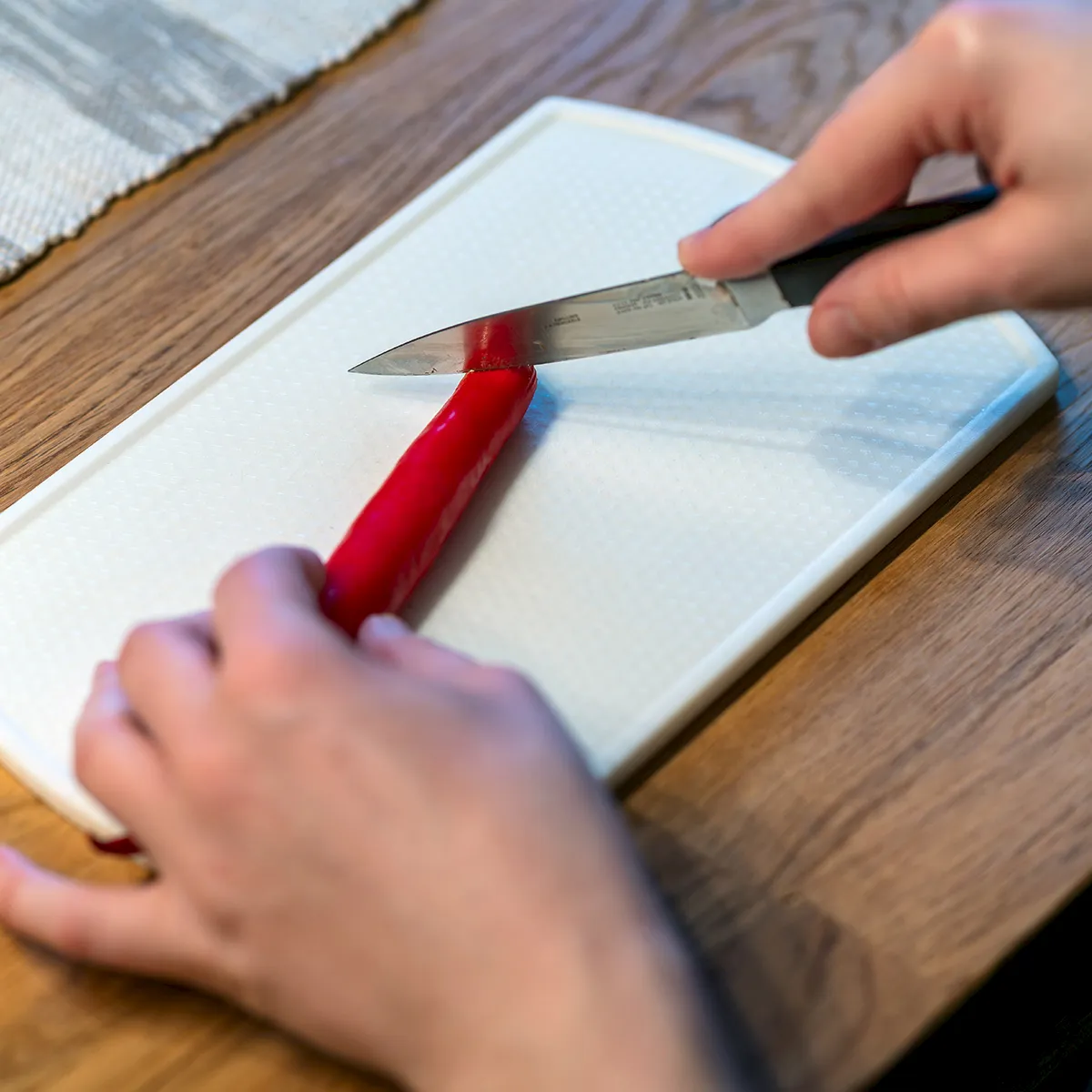
Step-by-step pepper slicing.
Cut off the top and bottom of your pepper. Make a slice length-wise down the pepper then lay it on its side. Guide your knife along the inside of the entire pepper, removing all the stems and seeds in one swoop.
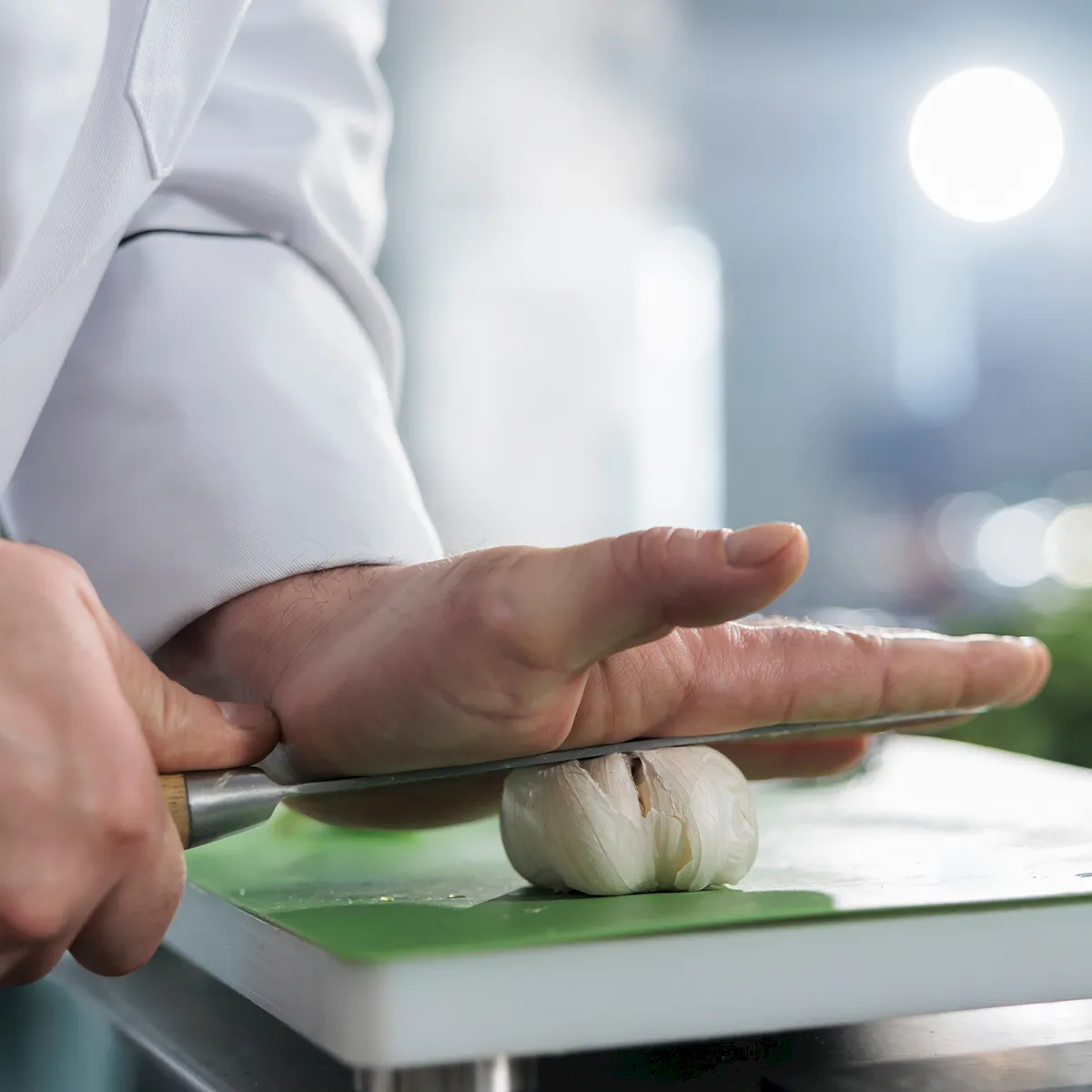
The trick to peeling garlic.
Instead of peeling it by hand, smash your garlic cloves quickly with the side of a big knife, or between two cutting boards. The paper skin comes completely off, without the work of peeling.
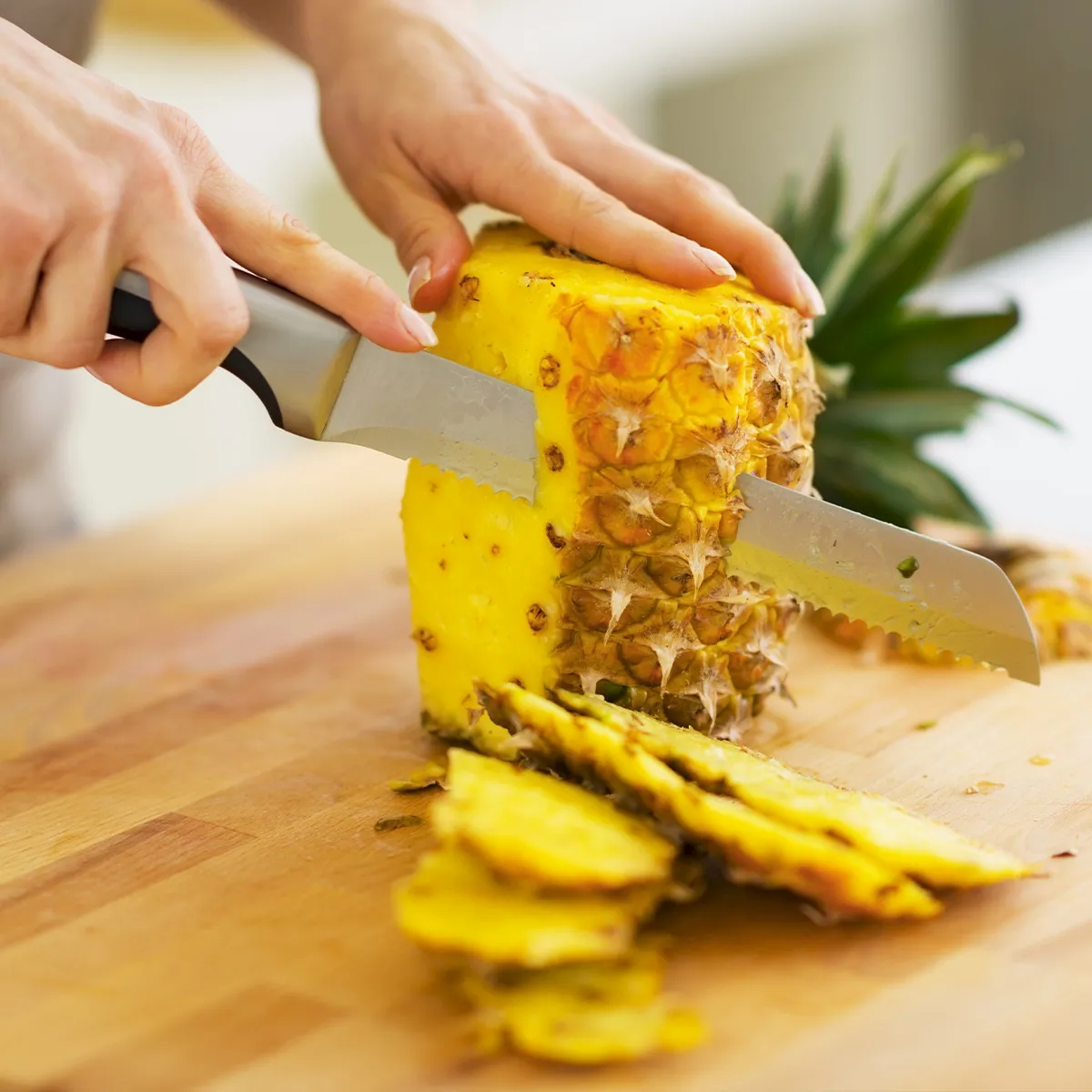
Cut the perfect pineapple.
Cut off the stem and rind, then stand your pineapple upright and slice away the skin from top to bottom. Next, cut diagonal grooves following the lines of eyes. Quarter the pineapple lengthwise, slice out the core, and cut into bite-size pieces.
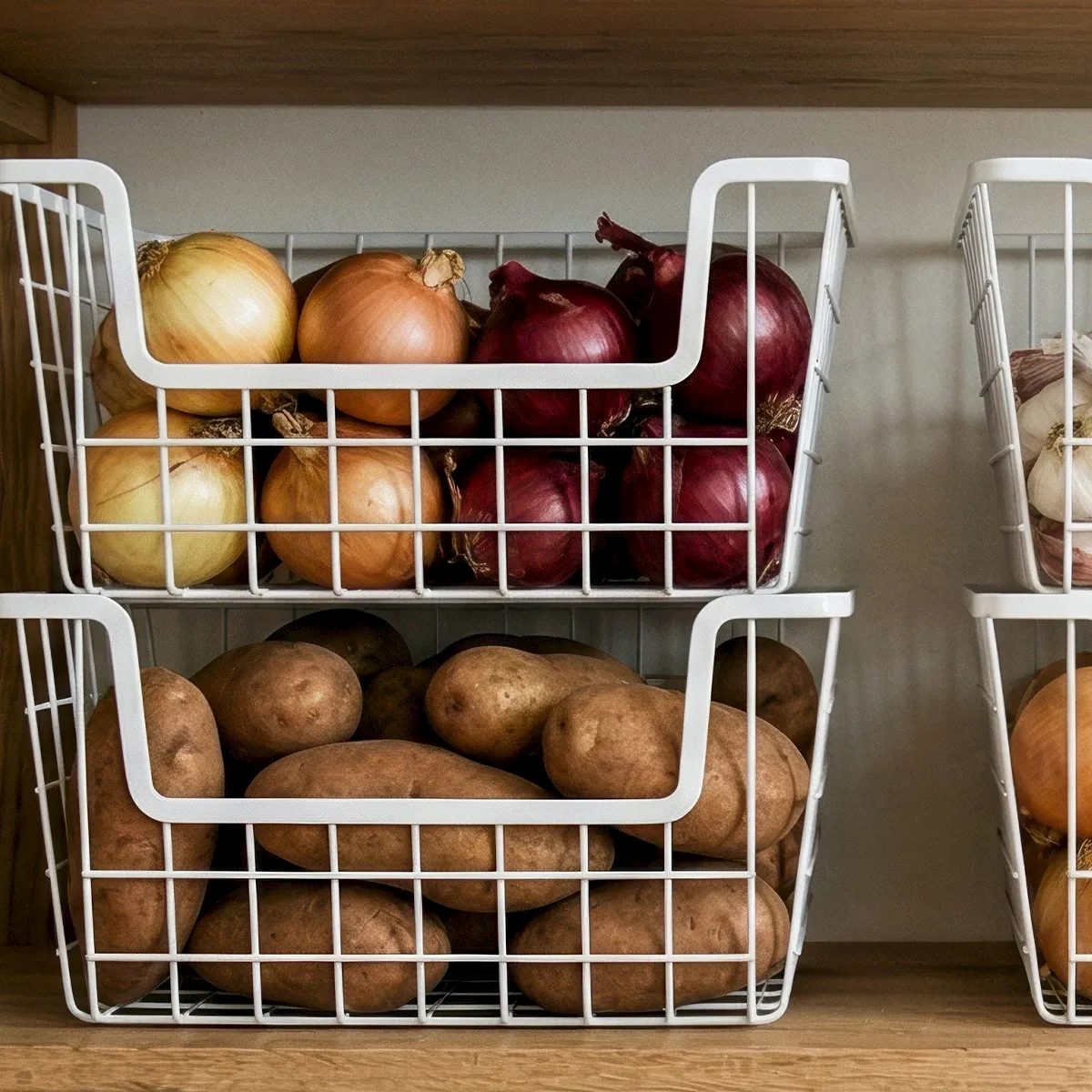
Store foods the right way.
Make your food last longer, and taste better, by storing it properly. Tomatoes, potatoes, onions, garlic, and basil should never be refrigerated. Honey, coffee, and bread are also better kept in a cupboard or pantry.

Stock up on seasonal produce.
Fruits and veggies are much more affordable when they’re in season. Take advantage of two-for-one sales on in-season produce, then freeze what you don't use right away.
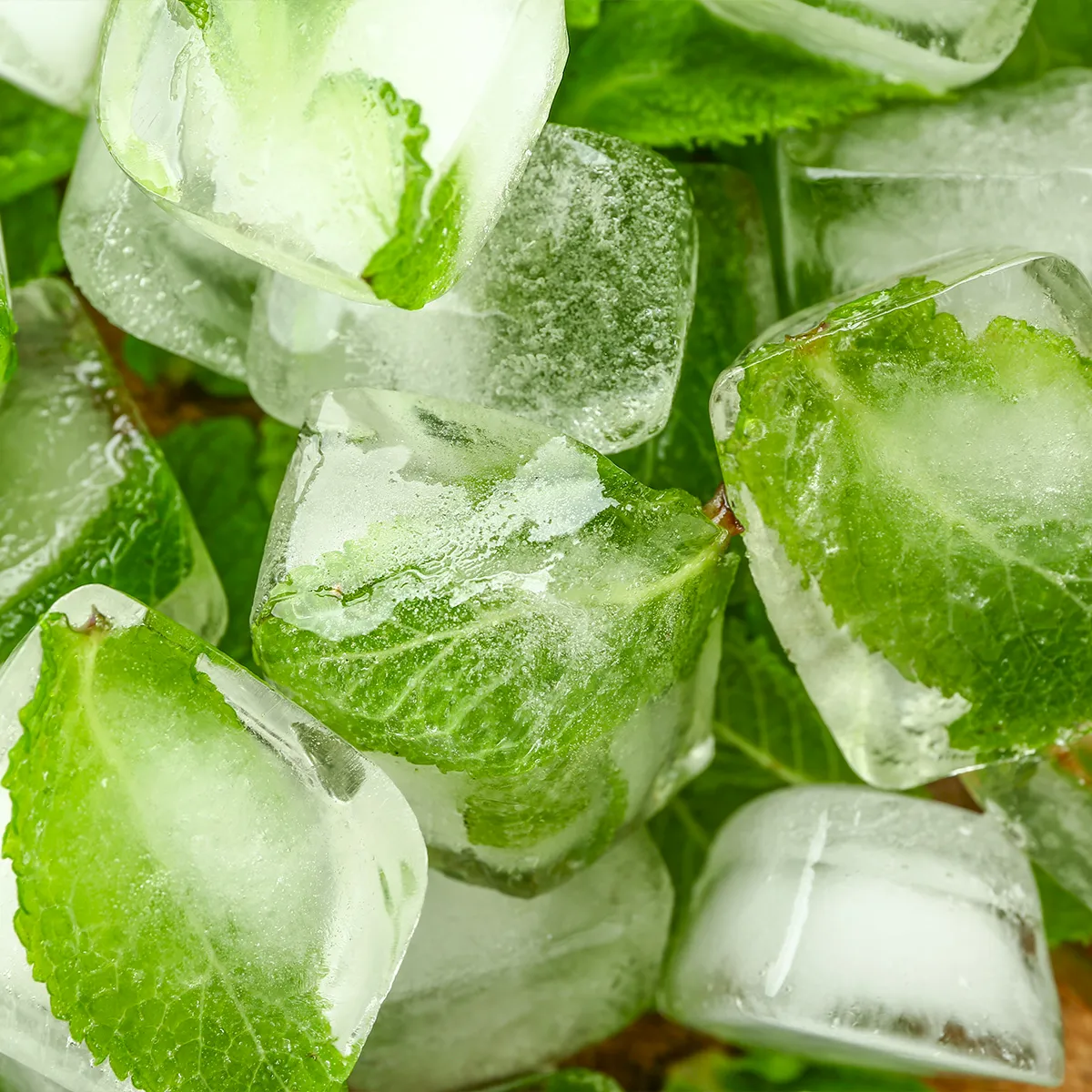
Freeze unused herbs.
Bunches of fresh herbs often go unused before they wilt — cut up the leftovers and freeze them in an ice cube tray with water or olive oil, so they're ready for future meals.
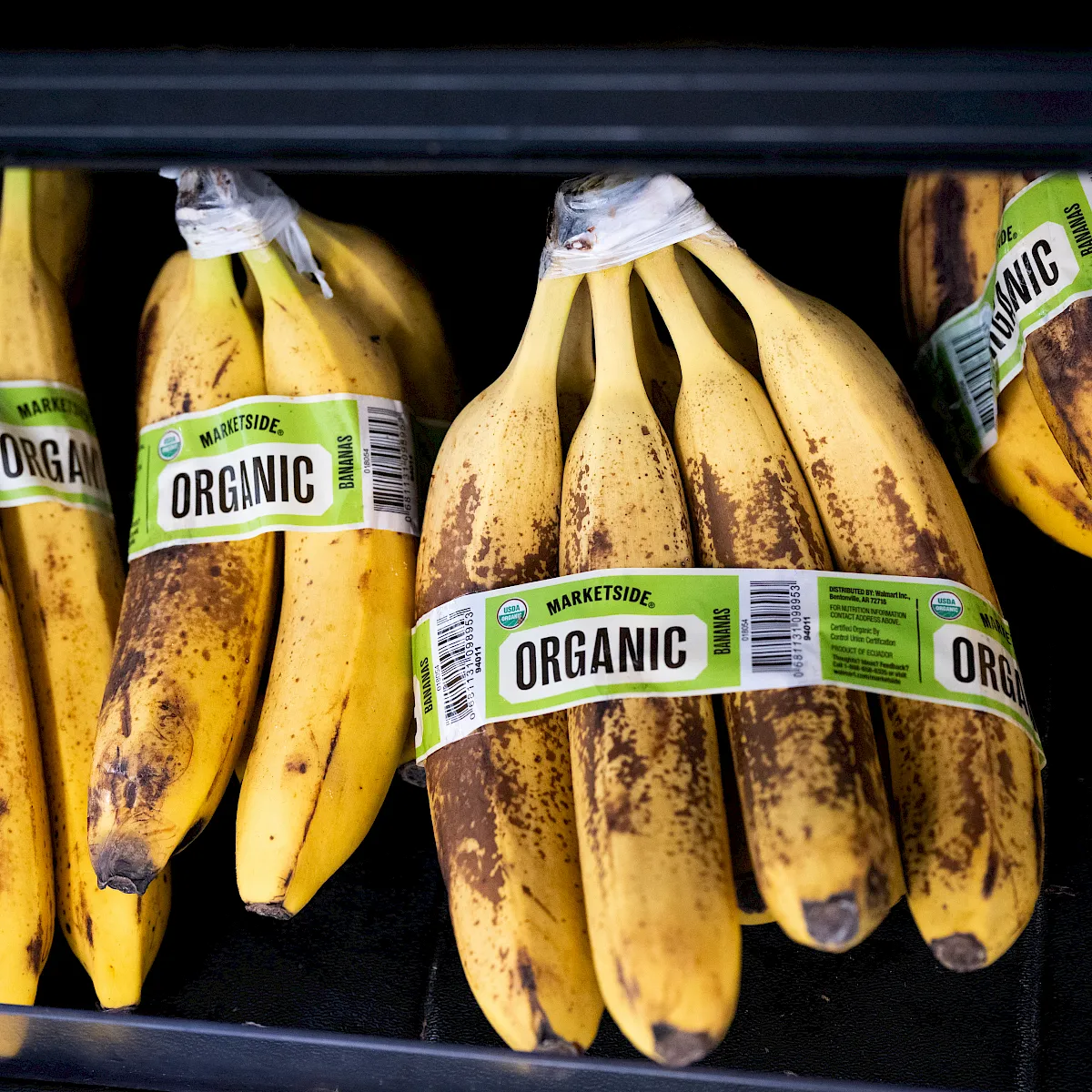
Save your ripe bananas.
As bananas ripen, their starch turns to sugar. Even though you might not eat brown bananas, you can still cook with them. Mash them into cookies, pancakes, and bread or freeze them in pieces and blend them into non-dairy ice cream.
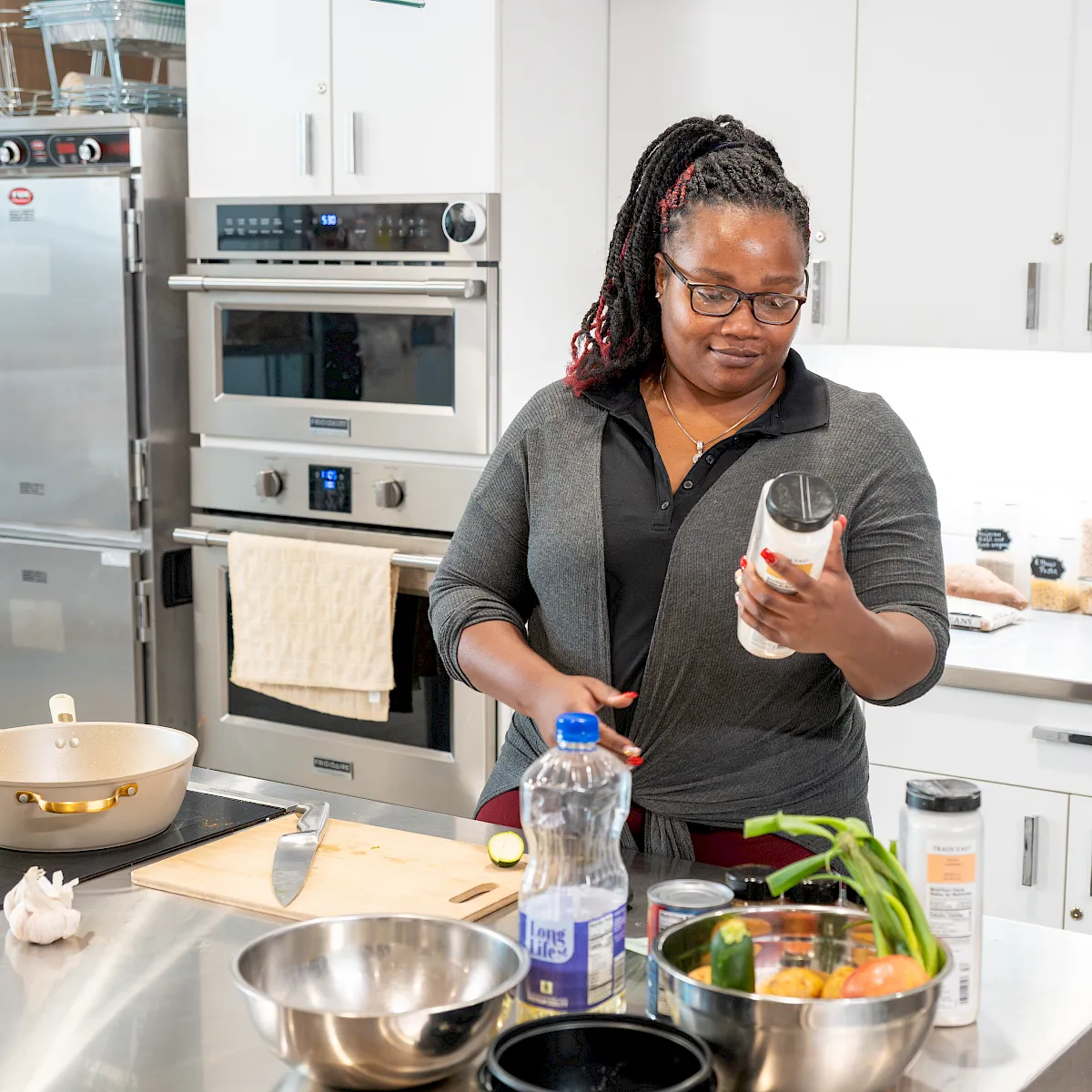
Make a meal plan to reuse ingredients.
Think about how you can reuse leftover ingredients from meal to meal. Random vegetables can come together in delicious soups, and unused fruit can quickly become a tasty smoothie.
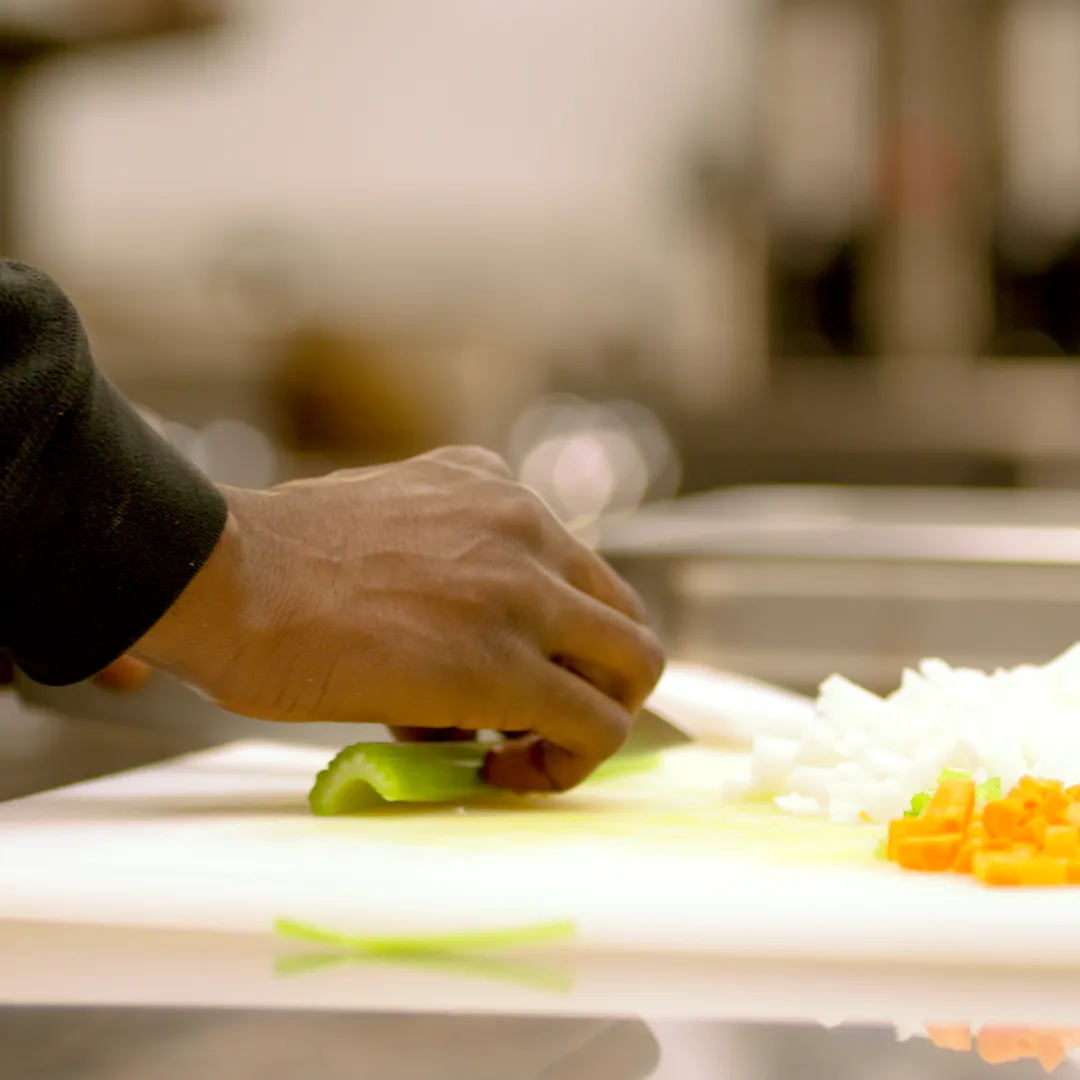
Add veggies to everyday recipes.
Incorporate healthy vegetables into the foods you already cook. Finely shredded zucchini and carrots can be added to pancake or muffin mix, tuna salad, canned soups, and casseroles.
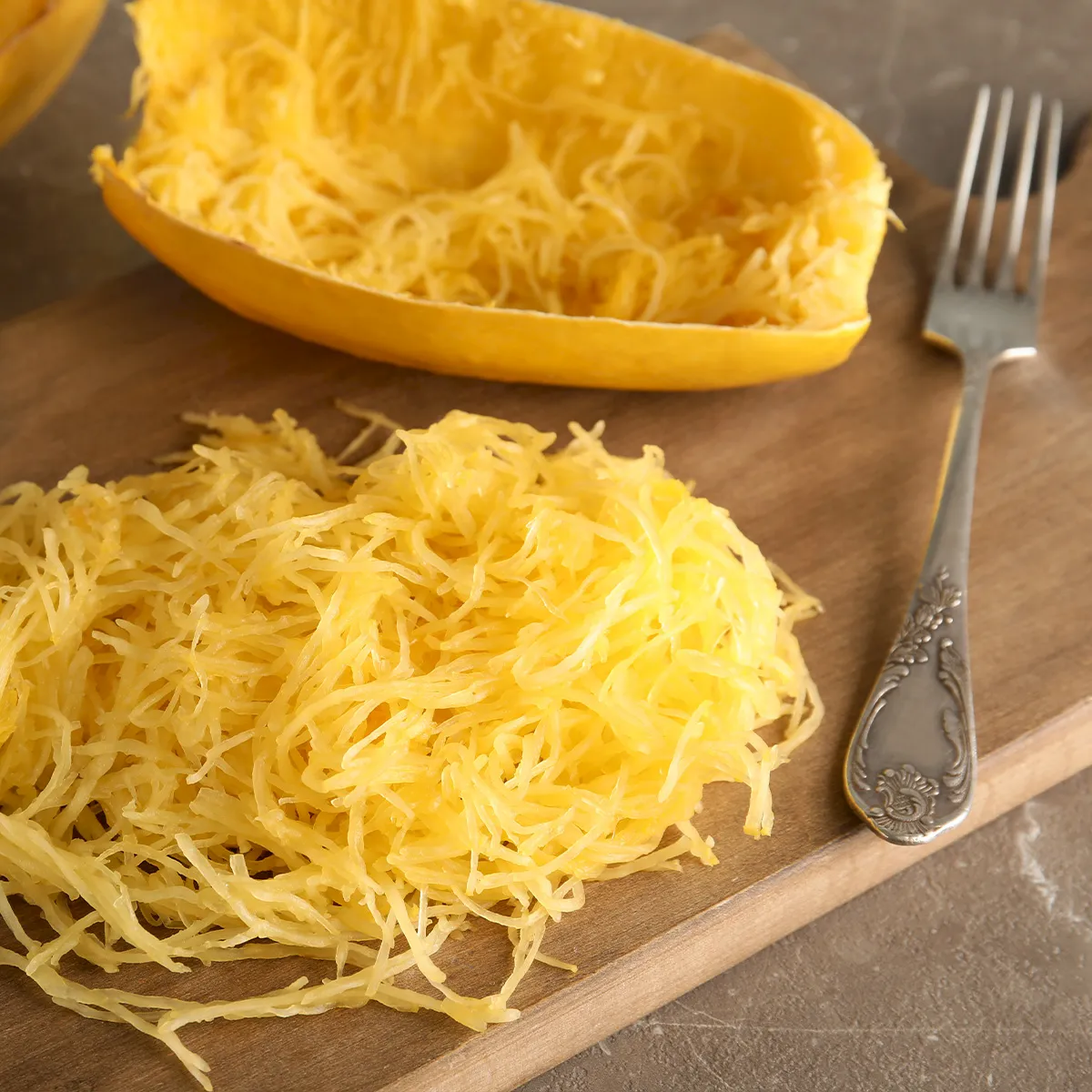
Make healthy swaps.
Steam cauliflower, then prepare it the same way you would make mashed potatoes. Replace pasta with baked squash. View this two-page guide for simple tips for how to swap other common ingredients!

Use your little helpers.
Give the kids simple kitchen tasks, like tearing up herbs or stirring ingredients together. Keep a small, sturdy stool in the kitchen if they can’t safely reach the counters to help.
Build a meal, step by step.
A healthy meal does not have to be perfect! View this two-page guide for tips on how to begin with ingredients you currently have and use simple tricks to increase the nutrient density of your meals.