
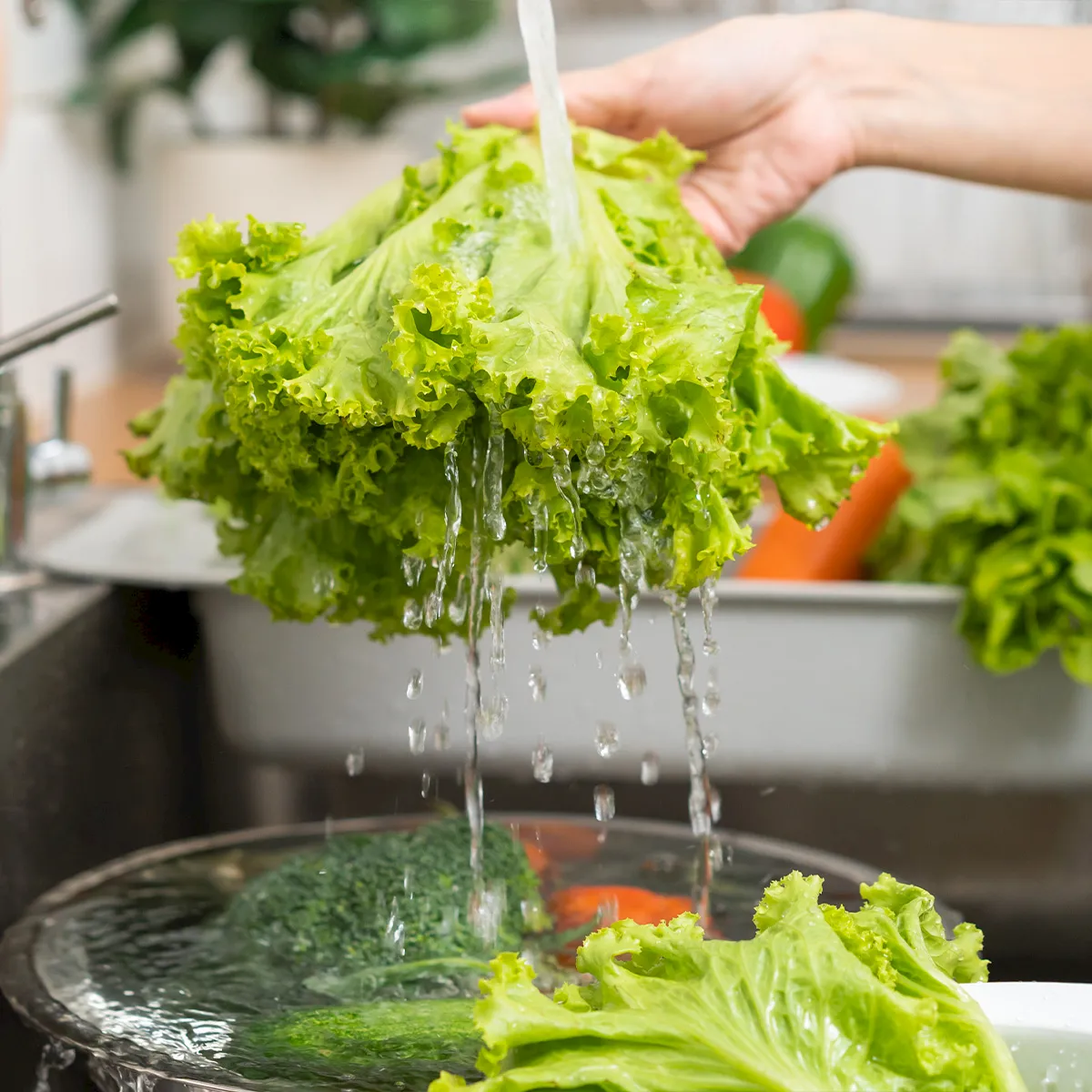
Wash produce before you eat it.
Rinse fruits and vegetables thoroughly under cool running water. There's no need to use soap or produce cleaners.
Wait to wash lettuce and other leafy greens until you're ready to use them to help keep them fresh.

Practice safe knife handling.
Always cut away from your body when using a knife.
When you're finished, wash knives one at a time. Never leave knives in a sink full of soapy water where they can't be seen.
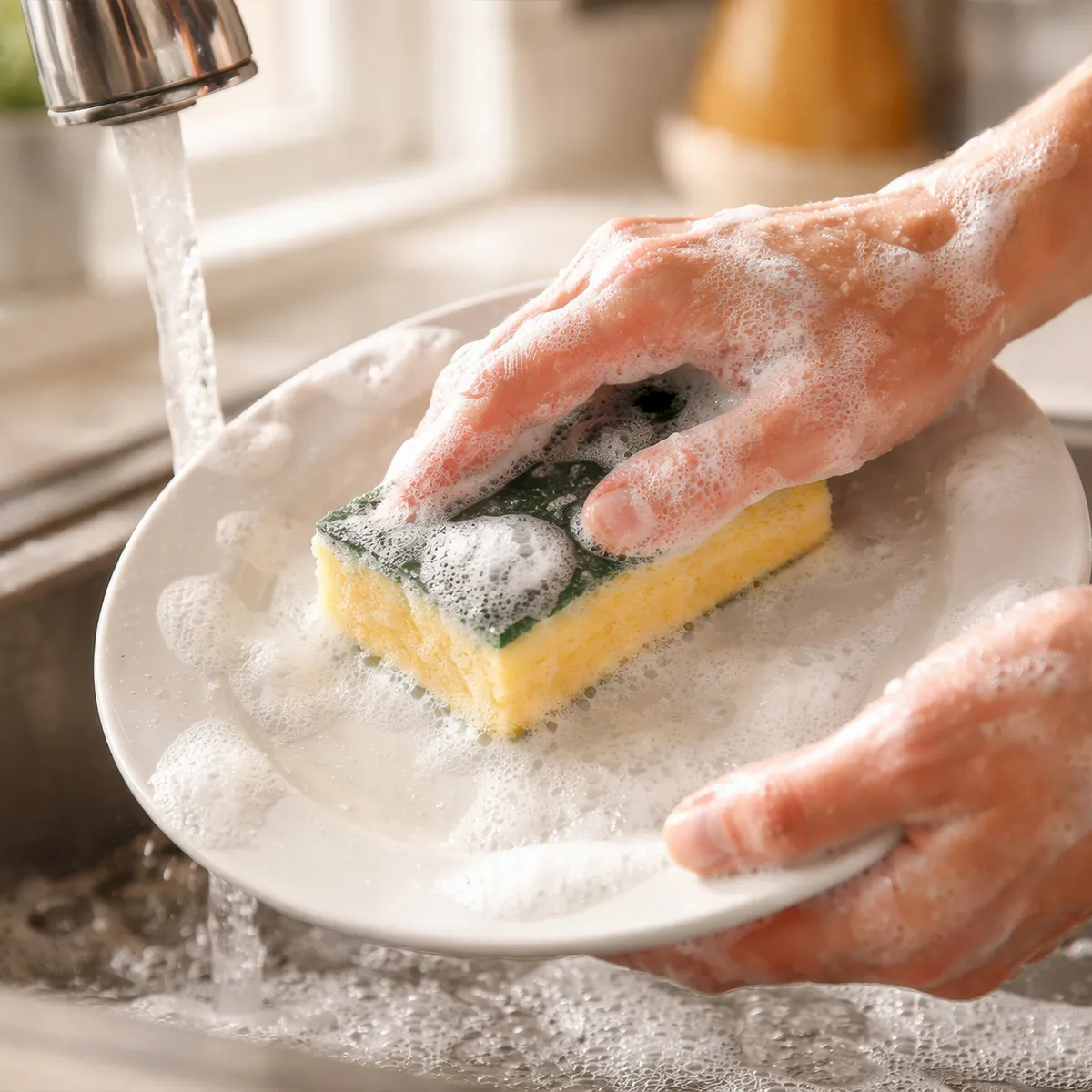
Use clean dishes for cooked food.
Always place cooked food on clean, dry dishes or serving platters.
Never reuse dishes or utensils that held raw ingredients—especially raw meat or unwashed vegetables—unless they've been washed first.
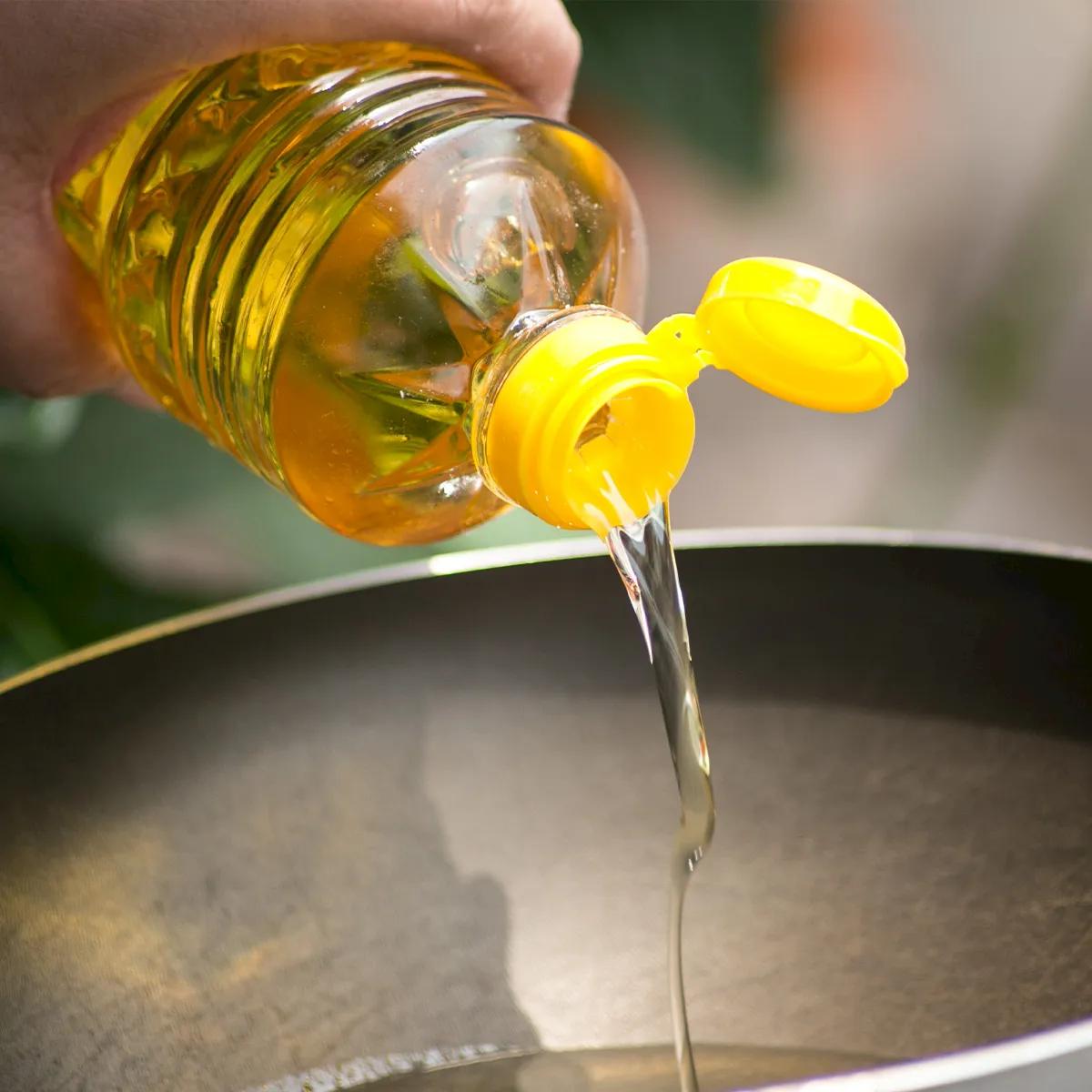
Use hot cooking oil safely.
Never add water or dripping-wet ingredients to a pan of hot oil.
Allow used cooking oil to cool completely, then pour it into a non-recyclable container and throw it away. Never pour cooking oil down the drain.
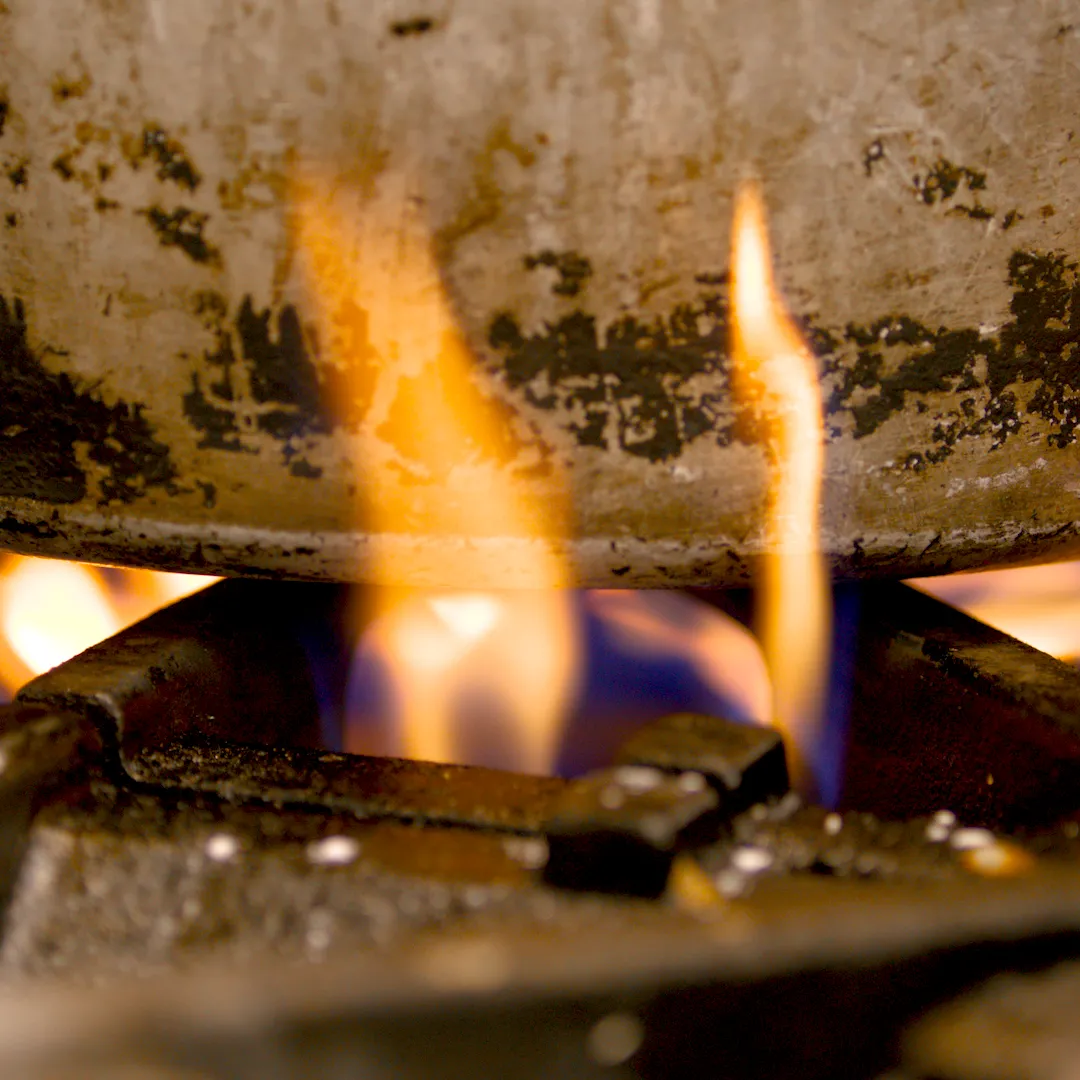
Stay safe around the stovetop.
Never leave pots or pans unattended on the stove.
Turn pot and pan handles inward so they can't be bumped, caught on clothing, or grabbed by curious children.
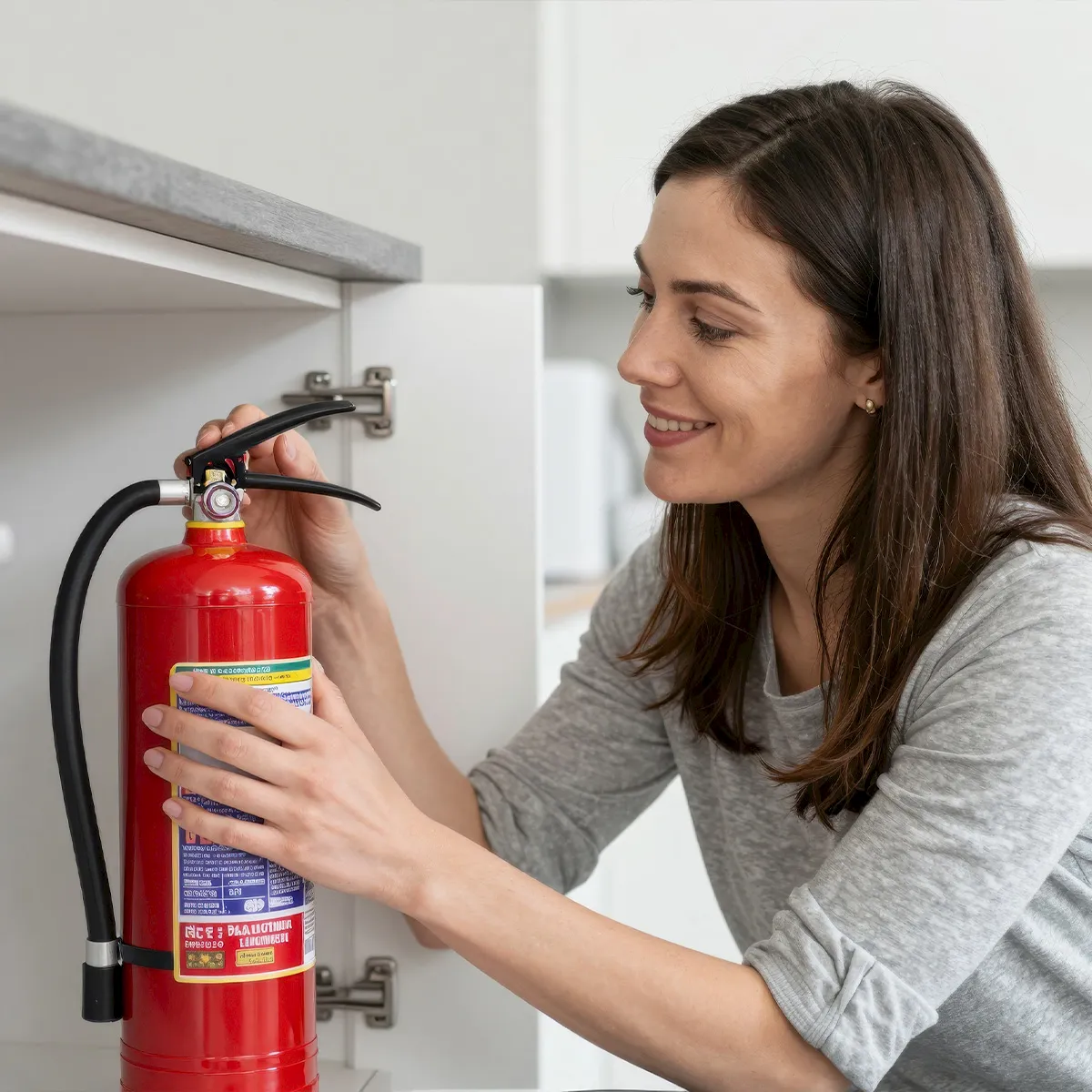
Be prepared for kitchen fires.
Keep a fire extinguisher or fire-extinguishing spray in your kitchen.
If it's safe to do so, smother small flames with a metal lid or baking soda.
Never use water to put out a grease fire—it will make the fire worse.
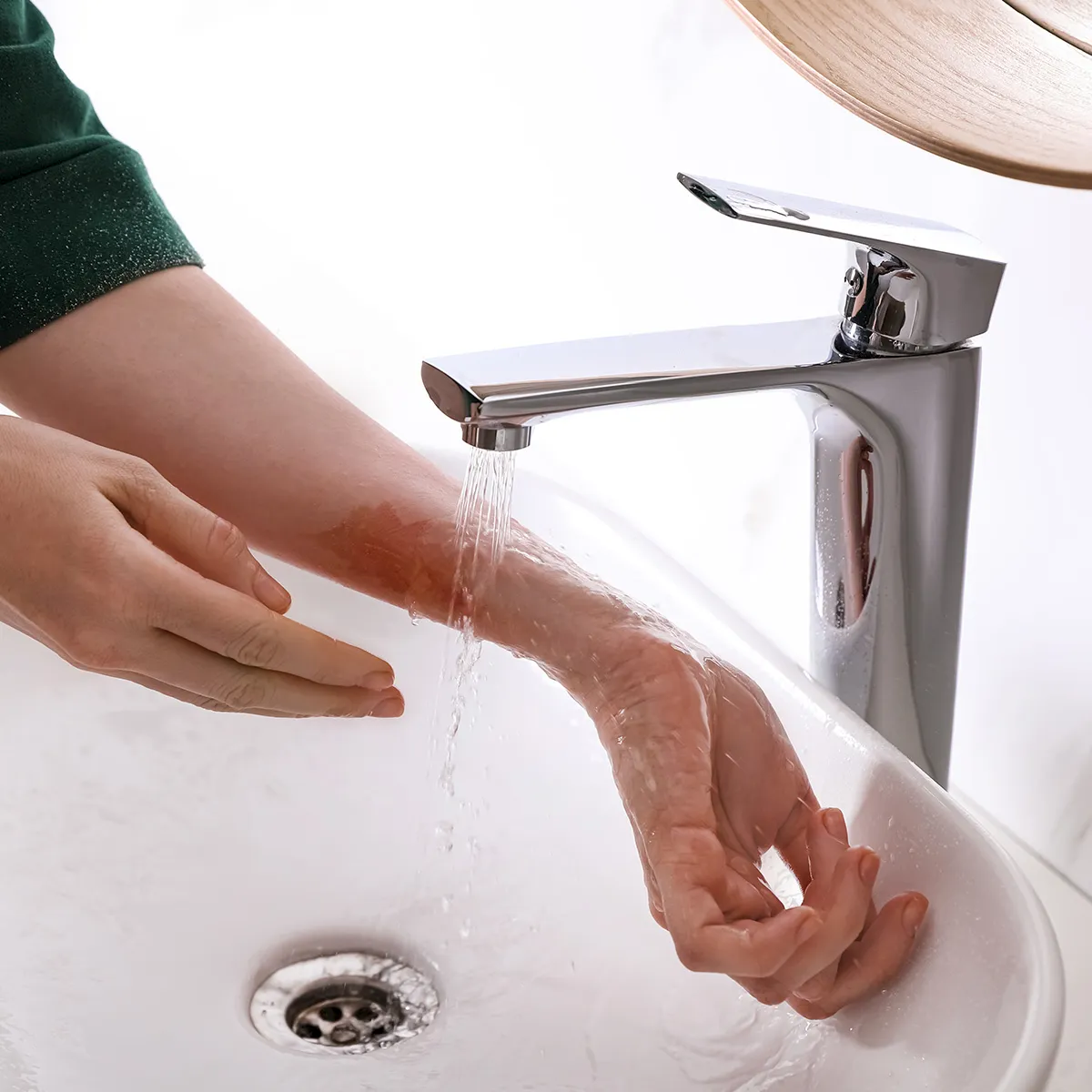
Treat minor burns properly.
For minor cooking burns, run cool water over the affected area for 10 to 15 minutes. Then apply burn cream if needed and loosely cover the burn with clean gauze.
Seek medical attention if the burn is large, deep, or begins to blister.
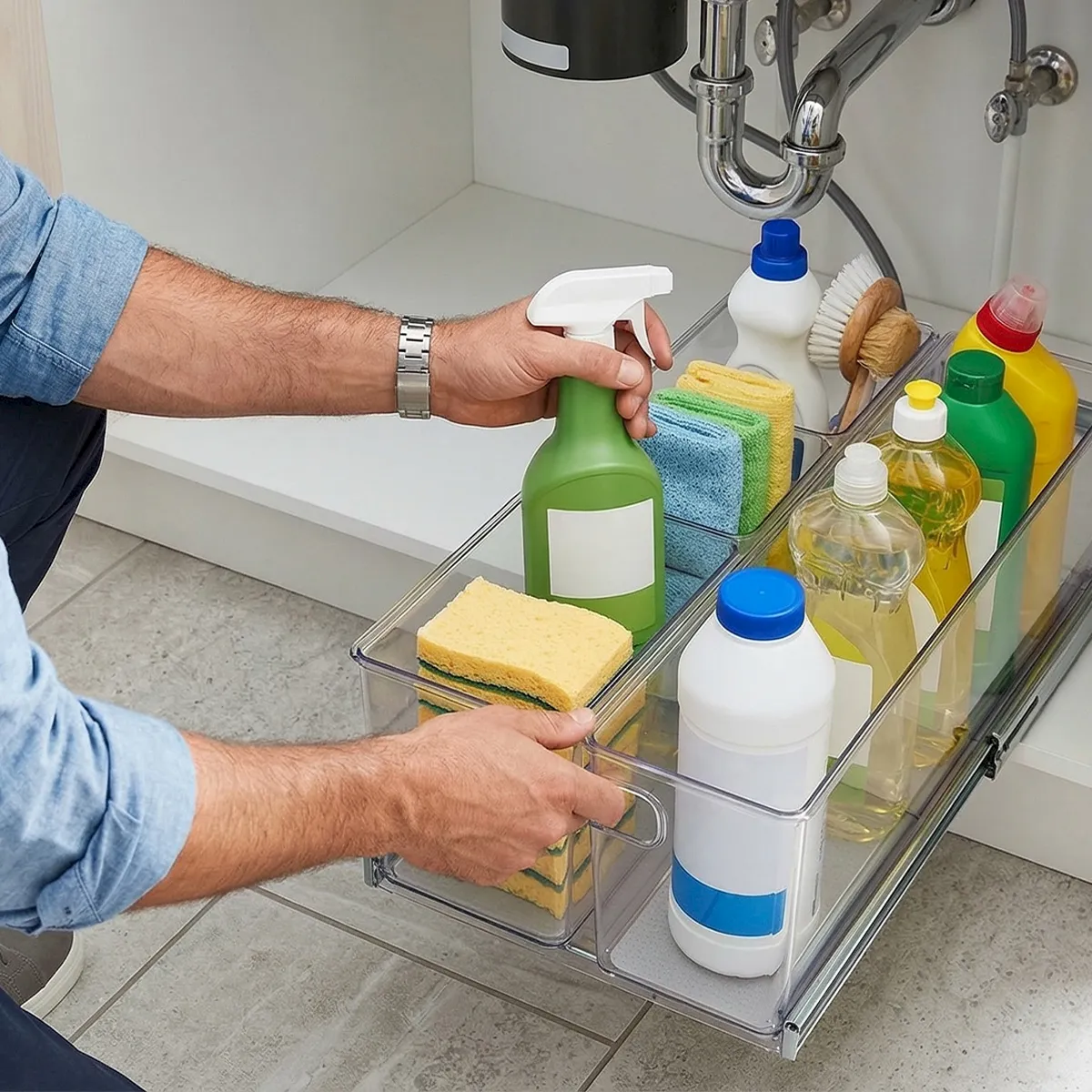
Store kitchen items safely.
Keep cleaning supplies, household chemicals, and fire extinguishers in a secure location away from the stove and heat sources.
If you have young children, install childproof locks on kitchen cabinets and consider adding one to the oven door as well.