
Spend less on soil.
Instead of filling an entire pot with expensive soil, fill half with reused packing peanuts, followed by a layer of fabric covering the foam.
Just make sure they're the plastic foam kind, not the biodegradable starch peanuts, which will break down when watered.

Save your eggshells.
Start seedlings in empty eggshells instead of containers. Crack the bottom of the shell before transplanting so roots can break through easily.
The shells are self-composting, so you can plant the entire thing once it sprouts, and your plant will get a boost of calcium that doesn’t cost a dime.
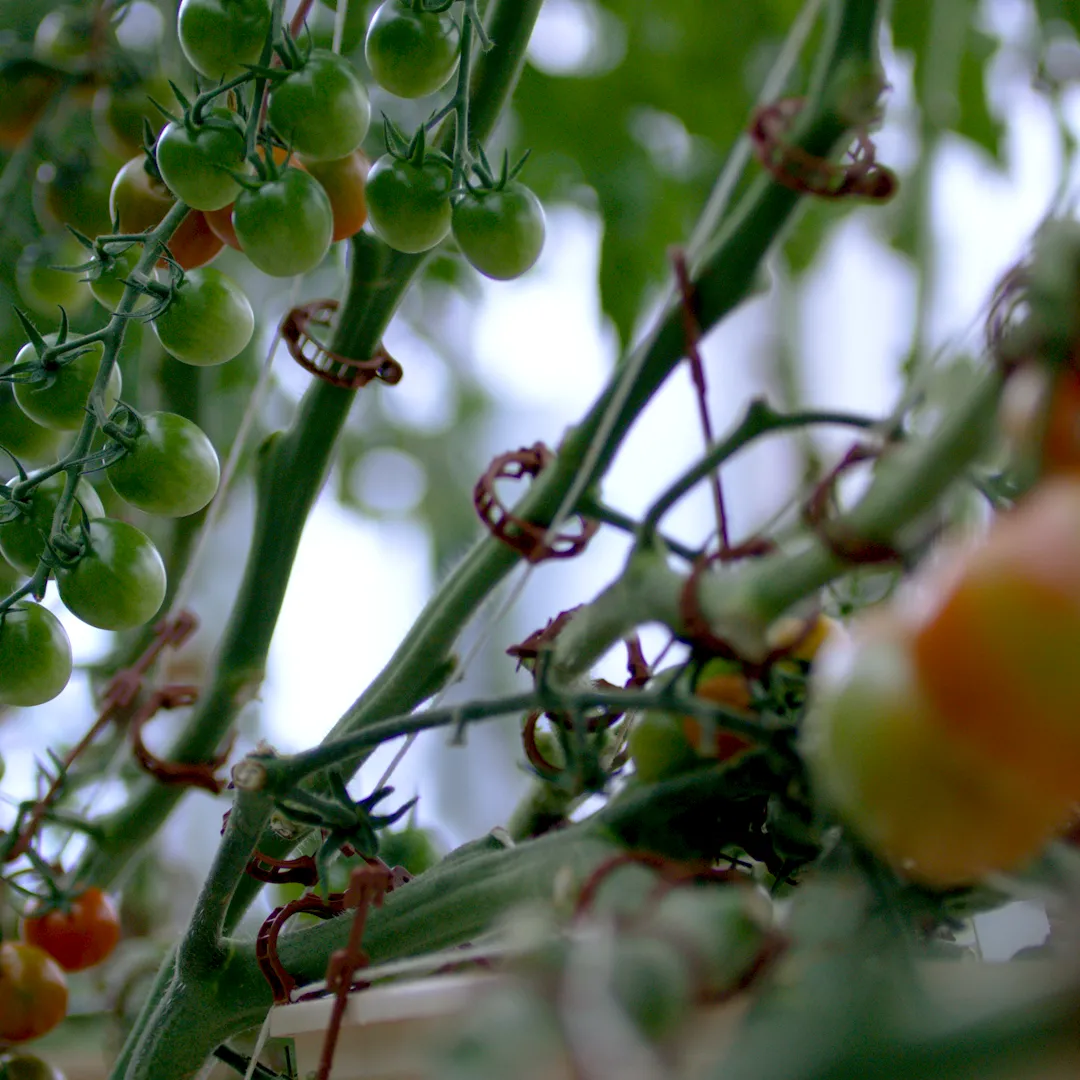
Grow tomatoes from groceries.
Grow lots of tomatoes from the seeds of one ripe heirloom. Squeeze seeds into a container, cover with water, and set aside for a few days.
Rinse them really well, removing any tomato pieces, and dry your seeds until it’s time to plant them.

Grow herbs in the kitchen.
Basil, cilantro, and chives grow great indoors. Find a sunny window where your herbs will get at least four hours of direct sunlight.
Start seeds or small plants with premixed potting soil and keep the soil moist.

Make a salad garden.
Grow your own self-contained salad garden with lettuce, radishes and tomatoes.
Plant seeds in window boxes or recycled plastic containers, like clean milk jugs or laundry detergent bottles with tops cut off.

Re-grow vegetables at home.
Place the base of your celery stalks, scallion ends, and leftover lettuce stems in shallow containers of water in the sun.
Change the water daily, and transfer to soil once they begin to grow.

Make your own mulch and compost.
Make your own mulch with crushed up leaves and grass clippings, and create nutrient-rich compost from fruit and vegetable scraps, coffee grounds and filters, and ground-up eggshells.

Sprinkle cinnamon on seedlings.
Over-watered, damp soil can lead to diseased plants. Cinnamon has natural anti-fungal properties, making it a low-cost way to keep seedlings healthy.

Save rainwater, save money.
Collect rainwater instead of running up your water bill at the faucet. It's untreated, so it typically has fewer added chemicals than tap water, and it won't shock plants the way cold tap water can.

Water plants with ease.
Fill any recycled bottle with water, and place it upside down in the soil of your potted plant. Water will slowly seep out of the bottle, watering your plants while you’re away.